

Based on Holistic Nursing Perspectives
“Medicine is in transition. Conventional biomedicine is giving way to an expanded, integrative medical model that emphasizes healthcare as well as illness care, treats people not just diseases, and incorporates multiple therapeutic approaches, old and new, to offer patients greater choice” (Rubik et al., 2015, para. 1).
I have always believed that complete healing goes beyond what conventional medicine offers. Many people may see the term energy healing and assume it is pseudoscience because it is not what they have traditionally learned in their health courses. However, energy is very real and measurable. Everything and everyone including our environment, is composed of energy. How we expend, consume, and interact with energy has a larger impact on the way we think and feel than originally thought. I will disclaim that alternative and complementary modes of healing do not replace the value conventional medicine has given us. However, integrating holistic methods alongside conventional medicine creates a synergistic approach to health, addressing not only the physical symptoms but also considering the emotional, mental, and spiritual aspects of an individual.
While conventional medicine is irreplaceable in diagnosis and treatment, holistic approaches add significant value by enhancing overall well-being and supporting healing processes. This holistic combination has the potential to amplify the effectiveness of conventional treatments, providing a more encompassing and personalized approach to healing. It is not about replacing one with the other but rather recognizing the symbiotic relationship that exists, ultimately contributing to a more holistic and balanced approach to healthcare. Continue reading to discover how you can seamlessly integrate these holistic insights with conventional medicine, unlocking an approach to well-being that addresses the entirety of your health journey. Here are the keys.

“All we are— our thoughts, behaviors, emotions, that which is conscious, and that which is unconscious— interacts and affects everything in our environment. Likewise, everyone and everything that exists in our environment are continuously exchanging matter and energy with us” (Helming et al., 2020, p.363).
This notion is based on nursing theorist Martha Roger’s idea that communication is not a linear or circular process but rather an exchange between energy fields, otherwise known as a pan-dimensional energetic process. Her theory explains that we are “unitary human beings” made of an indivisible, pan-dimensional energy field that is infinite. Jean Watson, another theorist, is the first nursing theorist to explicitly address the concept of the human soul and its role in healing. She believed that the human soul is not confined to objective space and time and can coexist with the past, present, and future simultaneously (Helming et al., 2020). How our energy field interacts with others and the environment can promote healing or adversely affect others or ourselves.
- Holistic Healing
- Synergizing Holistic and Scientific
- Applying Holistic Principles
- Shaping the Future of Well-Being
- Conclusion
- References
Holistic Healing
Holistic healing is an integrative approach to well-being that recognizes the interconnectedness of mind, body, and spirit. It encompasses a broad spectrum of methods, considering not only the physical symptoms but the emotional, mental, and spiritual aspects of an individual as well. The core principle of holistic healing is the understanding that optimal health comes from achieving balance and harmony within these interconnected dimensions. This approach often involves a personalized and comprehensive treatment plan incorporating conventional medicine, alternative therapies like energy work, mindfulness practices, and lifestyle adjustments.
Holistic healing views people as unique entities with innate healing capacities, encouraging active participation in their health journey. By addressing the root causes of imbalances and fostering a sense of wholeness, holistic healing promotes lasting well-being and empowers individuals to achieve their full potential in all aspects of life. Helming et al. (2020) assert that as healers, “If we are to act in a way that is therapeutic, in a way that promotes healing, we ourselves must be whole and healed” (p.363). This reinforces the significance of self-awareness and self-knowledge.

Energy Fields in the Healing Process
Rooted in holistic perspectives, the concept of energy fields acknowledges that beyond the physical body exists an intricate network of energies that contribute to health and vitality. Everything and everyone emits diverse intensities of energy frequencies. Low and high vibrational energies refer to the varying frequencies at which energies manifest. High vibrational energies are associated with positivity, love, joy, and spiritual awareness, contributing to an elevated state of being. Practices like meditation, acts of kindness, and positive intentions are believed to raise one’s vibrational frequency. On the other hand, lower vibrational energies are associated with negativity, fear, stress, and disharmony.
Engaging in negative thoughts, unhealthy habits, or surrounding oneself with toxic environments or people lowers vibrational frequency. Living in a prolonged state of low vibrational energy may have compounding negative effects over time, potentially contributing to inflammation, poor mental health, and spiritual distress. In a low vibrational state characterized by negativity, stress, and disharmony, the body may experience increased susceptibility to physical ailments and weakened immune function. Chronic stress associated with low vibrational living can contribute to cardiovascular, neurological, and immunological issues. Spiritually, residing in this low vibrational state may hinder personal growth and emotional resilience and contribute to a weakened sense of connection to a higher purpose. Recognizing and working toward raising your vibrational frequency through positive thoughts or affirmations, mindfulness practices, and nurturing activities becomes crucial to restoring balance to your energetic field.
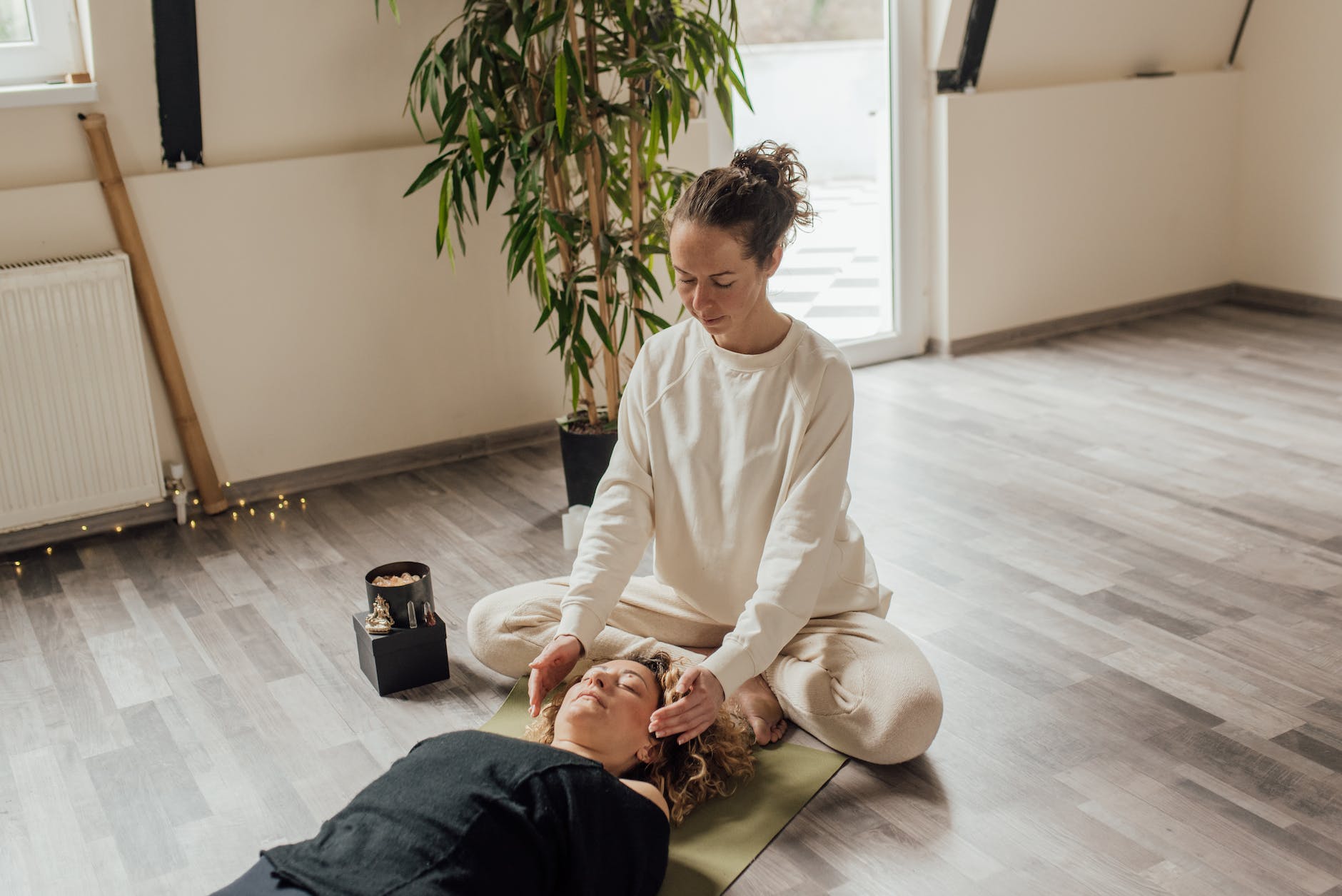
Many holistic approaches aim to shift individuals from lower to higher vibrational states, emphasizing the profound effect vibrational energies have on overall well-being. Practices such as energy healing, Reiki, and Qi Gong aim to channel and balance these energies, facilitating the body’s natural ability to heal. Western medicine routinely examines and monitors the electrical activity in our bodies, from the heart (electrocardiogram [ECG]) and the brain (electroencephalogram [EEG]) to diagnose clinical pathologies. Furthermore, cell biology and biophysics show evidence that our electromagnetic and energy fields play active roles in development, tissue repair, and other body maintenance processes (Rubik et al., 2015).
Heart-centering, which involves connecting with feelings of love and compassion, rather than concerns or thoughts, has positive effects on the practitioner (Helming et al., 2020). Research conducted at the Institute of HeartMath shows that the effects of heart-centering, feelings of caring and gratitude, ”creates coherence in the electromagnetic energy field, balances heart rhythms, increases IgA (immunoglobulin A) levels and natural killer cell levels, increases mental clarity and problem solving, reduces sleeplessness, body-aches, fatigue, anger, sadness, hypertension, and other chronic problems” (Helming et al.,2020, p.366). The positive mental and physiologic effects experienced from heart-centering can be transmitted to the people we communicate with. Helming et al. (2020) assert that “When a person maintains a coherent electromagnetic field through the process of centering, that person’s energy field positively affects those in surrounding environment” (p. 366). Experts in this subject believe information about individuals’ emotional state is encoded in the heart’s electromagnetic field which is then communicated to the external environment.
Synergizing Holistic and Scientific
Scientific/conventional medicine excels in diagnosis, treatment, and acute care interventions, providing evidence-based solutions. Holistic practices, rooted in understanding the interconnectedness of mind, body, and spirit, contribute to wellness by addressing the broader spectrum of health. The key lies in an integrative approach where both perspectives collaborate seamlessly. This involves healthcare professionals acknowledging the value of holistic methods in enhancing patient outcomes and individuals actively incorporating evidence-based holistic practices into their healthcare routines. Through open communication, mutual respect, and a shared goal of holistic well-being, the collaboration between conventional and holistic medical practices can usher in a new era of comprehensive healthcare that considers physical and holistic healing aspects.
Integrating Energy Healing with Conventional Medicine
Energy healing practices like Reiki, acupuncture, grounding, or therapeutic touch, balance and channel the body’s subtle energies to promote healing. When used conjunctively with conventional medicine, these practices can enhance and add value to treatment plans and outcomes. For example, medical treatments like chemotherapy or surgery can be paired with energy-healing practices to help alleviate stress, reduce anxiety, and improve the overall emotional and mental state of patients.
Grounding (Earthing)
Grounding or earthing refers to the practice of direct skin contact with the surface of the Earth. Subjective reports of the positive effects of grounding exist in literature and from diverse cultures around the world (Oschman et al., 2015). In addition to these subjective reports, scientific evidence based on research is available to support these claims.
“Grounding reduces or even prevents the cardinal signs of inflammation following injury: redness, heat, swelling, pain, and loss of function. Rapid resolution of painful chronic inflammation was confirmed in 20 case studies using medical infrared imaging” (Oschman et al., 2015, para. 3)
Practicing grounding produces measurable differences in white blood cell counts, cytokines, and other molecules involved in the inflammatory response. It also reduces pain and influences the amount of circulating neutrophils, lymphocytes, and other circulating chemical factors related to inflammation (Oschman et al., 2015). There are more than a dozen studies published in peer-reviewed journals to support these claims. This is further proof of the power energy has to heal and improve one’s health. One scientific hypothesis asserts that by connecting one’s body to the Earth, free electrons from the Earth’s surface spread over and into the body, producing antioxidant effects (Oschman et al., 2015).
The Journal of Environmental and Public Health published that practicing grounding improves sleep, regulates cortisol (stress hormone), shifts the autonomic nervous system from sympathetic toward parasympathetic activation, increases heart rate variability, expedites wound healing, and reduces blood viscosity. It astounds me that while energy healing has been around for thousands of years, we do not see the scientific proof publicized in the media! This knowledge is intensely empowering, as it supports the notion that we have the ability within ourselves to aid our healing process. I encourage you to further research on grounding, consulting evidence-based and peer-reviewed articles to learn how to use grounding in your healing journey!

Applying Holistic Principles
Empowering individuals to apply holistic principles to their treatment plans is a transformative step toward overall well-being. First and foremost, cultivating a mindful awareness of your body, emotions, and thoughts sets the foundation. Our thoughts and emotions play a huge role in our energies. While we cannot avoid experiencing negative emotions, we must feel them, accept them, learn from them, and let them go when they no longer serve us. Individuals can collaborate with their healthcare providers to integrate energy healing sessions alongside medical treatments. Reiki, therapeutic touch, grounding, and energy channeling restore balance to the body’s energy fields. These practices can alleviate stress, promote relaxation, and contribute to a positive emotional state, which, in turn, may enhance the efficacy of medical interventions.
Establishing a consistent routine of energy healing sessions, guided by trained practitioners, allows individuals to actively participate in their healing process, addressing physical and emotional symptoms and energetic imbalances. I recommend researching several different energy healing approaches and finding which fits best into your treatment plan and lifestyle.
Shaping the Future of Well-Being
As awareness of these valuable methods grows, healthcare systems can evolve to integrate energy healing into mainstream practices, contributing to a more comprehensive and personalized approach to health and healing. The future of well-being lies in integrating conventional medicine with energy healing and other holistic healing modalities, allowing individuals to actively participate in their health and unlock the full spectrum of their holistic potential. Embracing these methods contributes to a future where well-being is not merely the absence of illness but a dynamic state of equilibrium, vitality, and spiritual resonance. It is time to transform our current state of sick care into a model encompassing all aspects of health— mind, body, and spirit.
Empowering Your Health
Empowering your health begins with a curiosity-driven exploration of holistic practices and energy healing modalities. This self-directed journey allows individuals to become architects of their health and environments, fostering resilience, balance, and a deeper connection to their vitality. As research and personal experience converge, integrating these practices into your health becomes a transformative pathway to unlocking the full spectrum of wellness.
Collaborate with healthcare professionals to find ways to implement these complementary methods into your healthcare regimen. You have the power within to aid in healing yourself and those around you through the manipulation of energy and by raising your vibration. Practice living in a high-vibrational state daily, rejecting toxicity, negativity, and low-vibrational influences from your life. Immerse yourself in the present moment through meditation and embrace mindfulness to attune the mind and spirit. These inner changes will be evident in your external practices and attitudes, allowing you to navigate challenges with resilience, enhance self-understanding, and nurture yourself and those around you. I always say you cannot pour from an empty cup— these methods help fill that cup.
Conclusion
Health care’s evolving landscape underscores the need to shift toward an integrative medical model, emphasizing overall well-being alongside illness care. Energy healing and holistic practices prove to be transformative allies in this paradigm. The relationship between conventional Western medicine and holistic modalities offers a synergistic approach to health, addressing physical, emotional, and spiritual dimensions of wellness. The recognition of energy fields and the potential for healing through holistic means becomes integral to shaping the future of health. Empowering one’s health involves proactively exploring these methods and seamlessly integrating them into daily life to unlock the full spectrum of holistic potential. By rejecting negativity and toxicity, embracing high-vibrational living, and attuning the mind and spirit through mindfulness, individuals can contribute to a future where health is comprehensively managed. As we navigate the path toward holistic well-being, let us remember that the future of health lies not just in the laboratories and clinics but also in the power we have within ourselves to adopt and encourage the use of practices that address all aspects of human health. This will shape a future where every individual is empowered to live in their highest vibrational state and embrace the fullness of their well-being!

References
Helming, M. A. B., Shields, D. A., Avino, K. M., & Rosa, W. E. (2020). Dossey & Keegan’s Holistic nursing: a handbook for practice. Jones & Bartlett Learning.
Oschman, J. L., Chevalier, G., & Brown, R. L. (2015). The effects of grounding (earthing) on inflammation, the immune response, wound healing, and prevention and treatment of chronic inflammatory and autoimmune diseases. Journal of Inflammation Research, 83. https://doi.org/10.2147/jir.s69656
Rubik, B., Muehsam, D., Hammerschlag, R., & Jain, S. (2015). Biofield science and healing: history, terminology, and concepts. Global Advances in Health and Medicine, 4(1_suppl), gahmj.2015.038. https://doi.org/10.7453/gahmj.2015.038.suppl
 Nurse Olivia
Leave a comment